Introductory Lectures on Neuropsychoanalysis/Psychotherapy; Lecture Nine; Neuropsychoanalytic Diagnosis ( Part 1 )
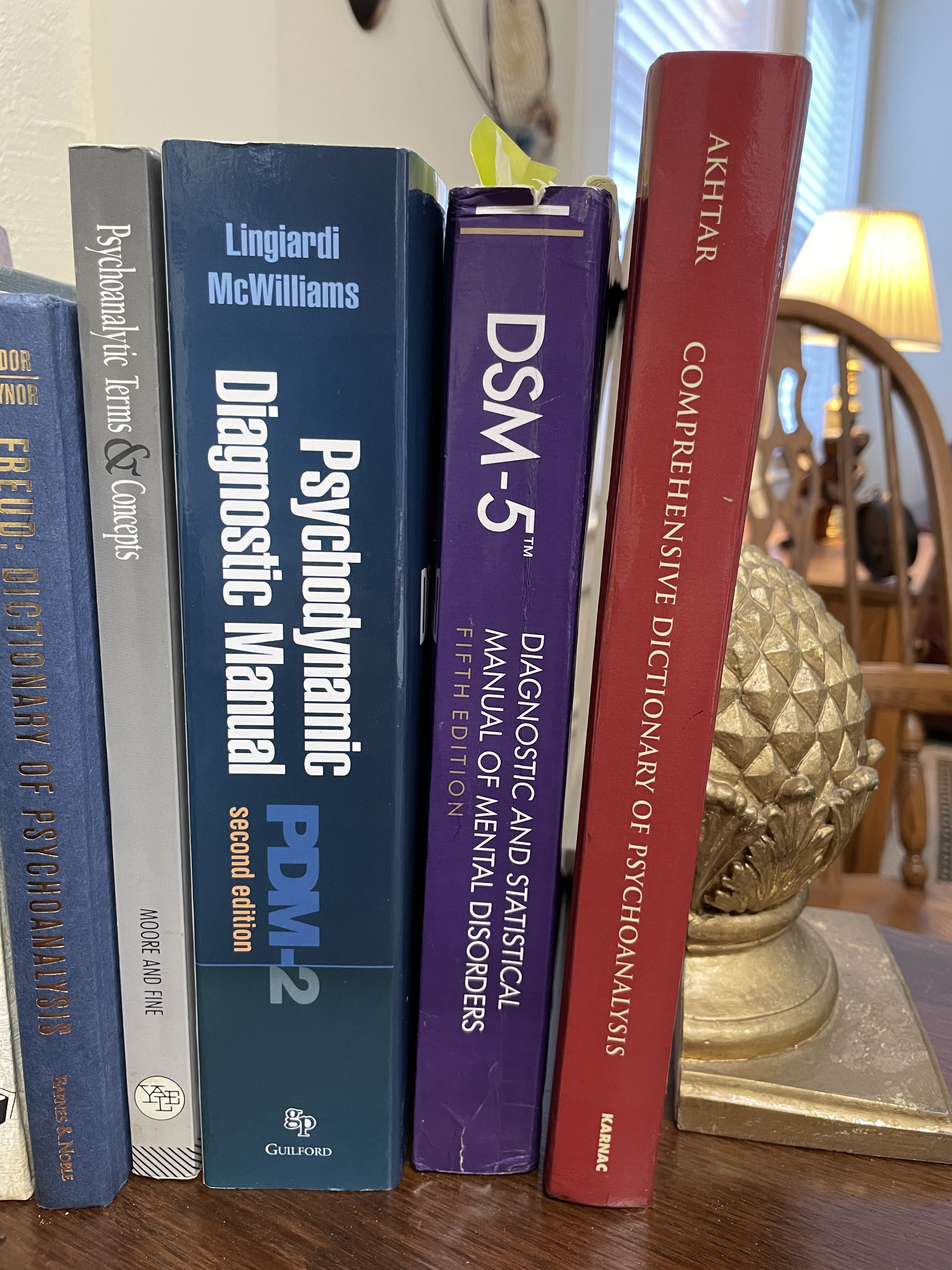
So far I have written eight lectures about neuropsychoanalytic theory and treatment. In this new ninth lecture I wish to expand on the earlier lecture on neuropsychoanalytic diagnosis. The field of neuropsychoanalysis is presently researching how we diagnose, and how our diagnostic model is different than other models.
The neuropsychoanalyst and creator of neuropsychoanalysis Mark Solms, believes we cannot know how to help someone get better, if we do not know what has gone wrong in their lives in the first place. This is the process of diagnosis.
Neuropsychoanalytic diagnosis is similar in some ways to DSM (The Diagnostic and Statistical Manual of Mental Disorders) diagnosis. We listen, observe, interview, get to know the patient in depth, rule out various diagnoses, and finally arrive at what has gone wrong in their lives that needs to change in order for them to be healthy. Much of the beginning phase of therapy is about coming up with the correct diagnosis......In these next few posts I am going to write about how neuropsychoanalytic diagnosis starts out similarly to DSM diagnosis. But stick around until the end of this series of posts where I will write about HOW DIFFERENT the two are as well!

8Loyd Allen, Christie Melton Kearney and 6 others
1 Comment
Like
Comment
Share
posted by Alan Melton, D. Min., LPC @ July 13, 2026
0 Comments


0 Comments:
Post a Comment
Subscribe to Post Comments [Atom]
<< Home